Injustice to Bankim Chandra Chaterjee and Vande Mataram?

Today is the birth anniversary of Bankim Chandra Chatterjee, the composer of Vande Mataram, our national song.

Bankim Chandra Chatterjee wrote Vande Mataram in the 1870s, which he included in his 1882 novel Anandamath. The poem was first sung by Rabindranath Tagore in 1896 in the congress session at Calcutta.
The first two verses of the song were adopted as the National Song of India in October 1937 by the Congress Working Committee prior to the end of colonial rule in August 1947.

The title ‘Vande Mataram’ means “I praise to thee, Mother”. Only starting two stanzas are accepted as our national song as others have mention of Hindu deities like mother Durga.


वन्दे मातरम्।
सुजलाम् सुफलाम् मलय़जशीतलाम्,
शस्यश्यामलाम् मातरम्। वन्दे मातरम्।। १।।

शुभ्रज्योत्स्ना पुलकितयामिनीम्,
फुल्लकुसुमित द्रुमदलशोभिनीम्,
सुहासिनीम् सुमधुरभाषिणीम्,
सुखदाम् वरदाम् मातरम्। वन्दे मातरम्।। २।।

Vande Mataram has been translated into many languages. Sri Aurbindo translated this into English and Arif Mohammed Khan, the governor of Kerala, translated this into Urdu language (Devanagari script).

English translation:


Mother, I praise thee!
Rich with thy hurrying streams,
bright with orchard gleams,
Cool with thy winds of delight,
Dark fields waving Mother of might,
Mother free.

The glory of moonlight dreams,
Over thy branches and lordly streams,
Clad in thy blossoming trees,
Mother, the giver of ease
Laughing low and sweet!
Mother, I kiss thy feet,
Speaker sweet and low!
Mother, to thee I praise thee.

Urdu translation:

तस्लीमात, मां तस्लीमात
तू भरी है मीठे पानी से
फल फूलों की शादाबी से
दक्खिन की ठंडी हवाओं से
फसलों की सुहानी फिजाओं से
तस्लीमात, मां तस्लीमात
तेरी रातें रोशन चांद से

तेरी रौनक सब्ज-ए-फाम से
तेरी प्यार भरी मुस्कान है
तेरी मीठी बहुत जुबान है
तेरी बांहों में मेरी राहत है
तेरे कदमों में मेरी जन्नत है
तस्लीमात, मां तस्लीमात

It is unfortunate that even today some people influenced with certain ideology oppose to our national song.

On the birth anniversary of Bankim Chandra Chatterjee, we must ask ourselves are we doing Justice with him and our national song?

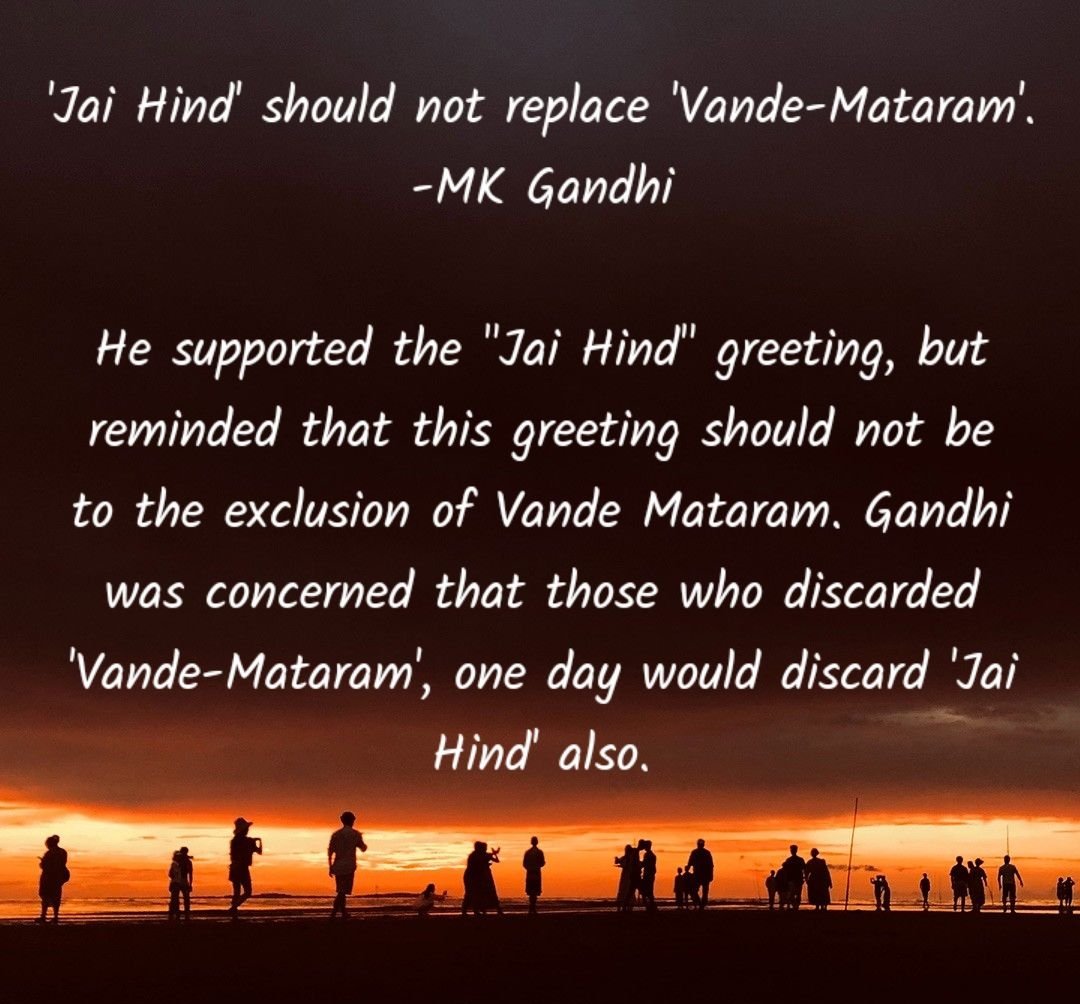
(The picture attached here talks about the views of Gandhi. He made this statement in a public meeting in Guwahati in 1946.)
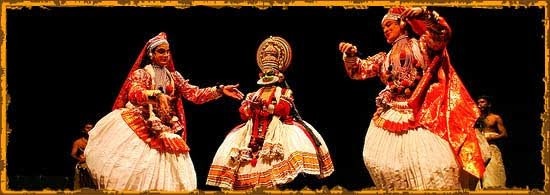
The rich heritage of classical dance of Bharat

Dance is an important part of cultural tradition in India. People can be found dancing at festivals and weddings.

But where does Indian dance draw its roots from? It’s an interesting story which we can feel proud of. The origin of all the major dance forms in today’s time can be traced to many centuries back to Natyashastra of Bharat Muni.

The Nāṭya Śāstra is a Sanskrit text on the performing arts. The text is attributed to sage Bharata Muni, and its first complete compilation is dated to 500 BC (2500 yrs from today). The text consists of 36 chapters with a cumulative total of 6000 poetic verses describing performance arts

The Natyashastra is the oldest surviving ancient Indian work on performance arts. Here are six of the most important classical dance forms of India.

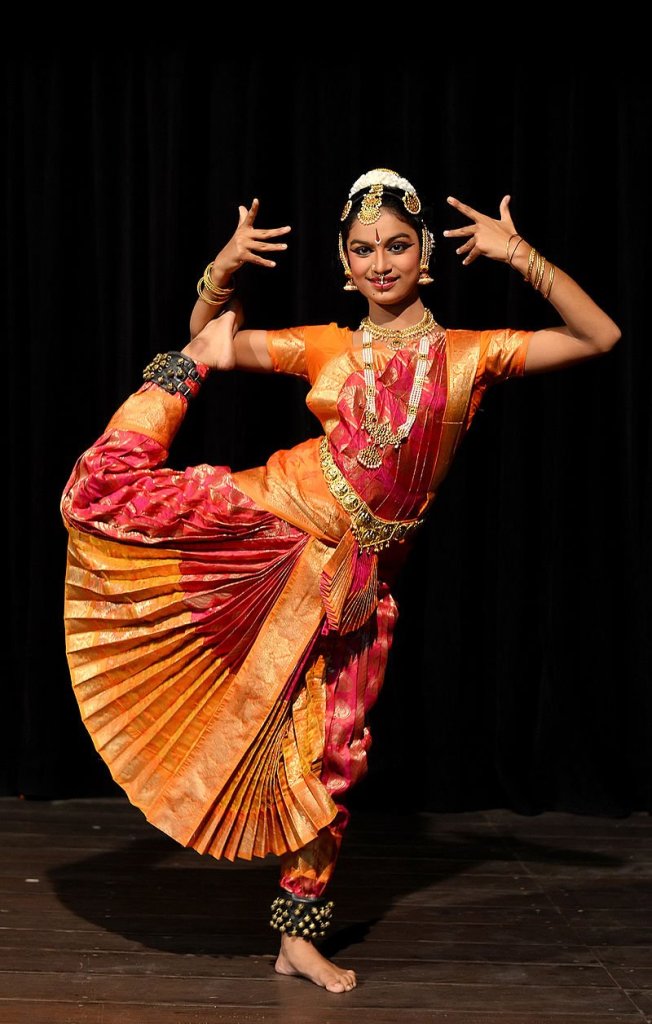
  • Bharatanatyam, from Tamil Nadu

Bharatanatyam is a dance of Tamil Nadu in southern India. It traces its origins back to the Natyashastra, an ancient treatise on theatre written by the mythic priest Bharata. Originally a temple dance for women, bharatanatyam often is used to express Hindu religious stories and devotions. It was not commonly seen on the public stage until the 20th century. The dance movements are characterized by bent legs, while feet keep rhythm. Hands may be used in a series of mudras, or symbolic hand gestures, to tell a story.

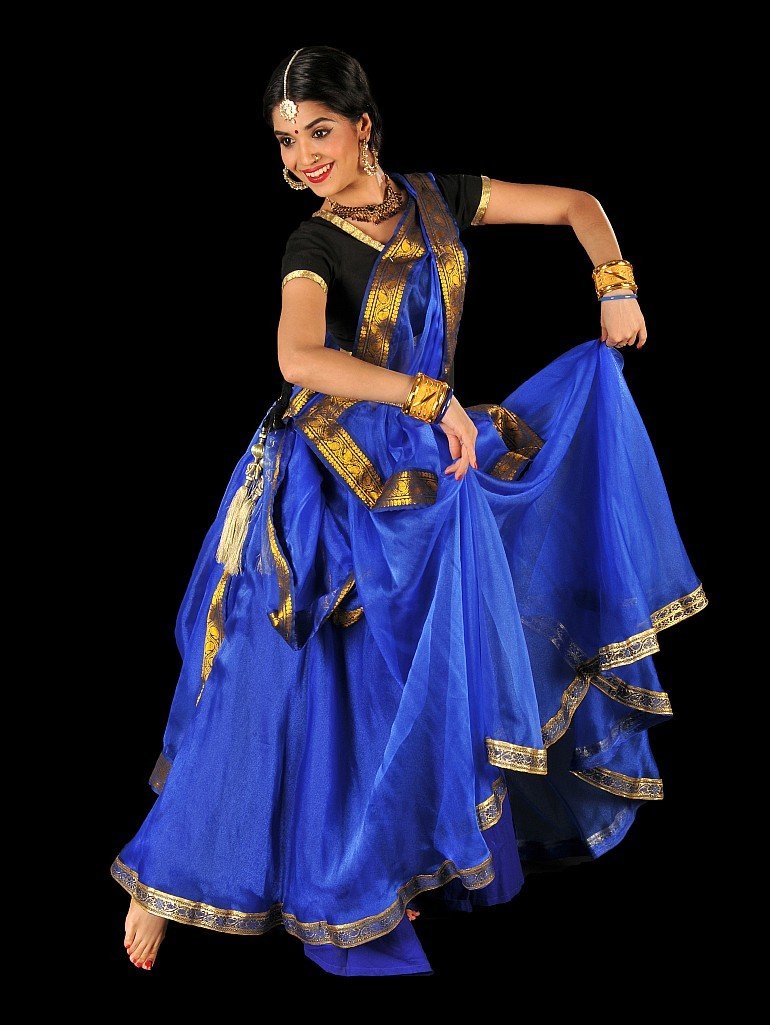
  • Kathak, from North India

A dance of northern India, Kathak is often a dance of love. It is performed by both men and women. The movements include intricate footwork accented by bells worn around the ankles and stylized gestures adapted from normal body language. It was originated by Kathakas, professional storytellers who used a mixture of dance, song, and drama. Like other Indian dances it began as a temple dance, but soon moved into the courts of ruling houses.

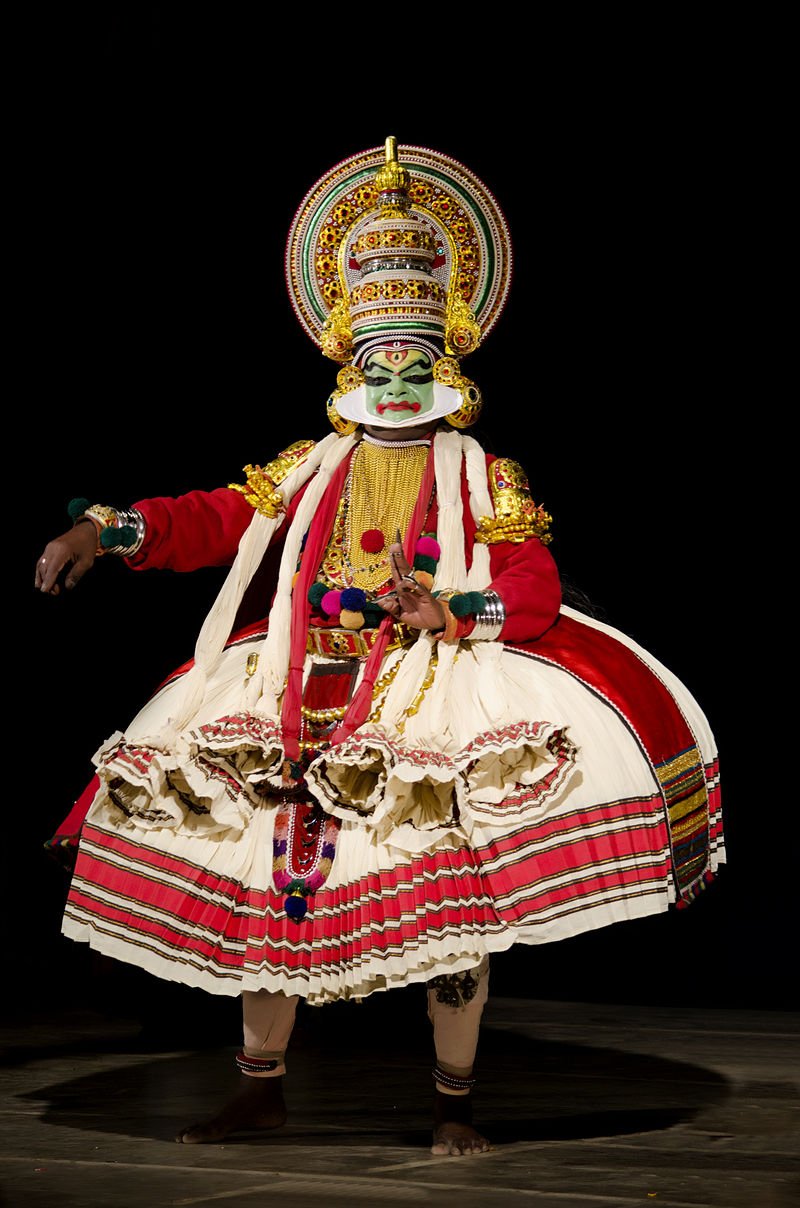
  • Kathakali, from Kerala

Kathakali comes from southwestern India, around the state of Kerala. Like bharatanatyam, kathakali is a religious dance. It draws inspiration from the Ramayana and stories from Shaiva traditions. Kathakali is traditionally performed by boys and men, even for female roles. The costumes and makeup are especially elaborate, with faces made to look like painted masks and enormous headdresses.

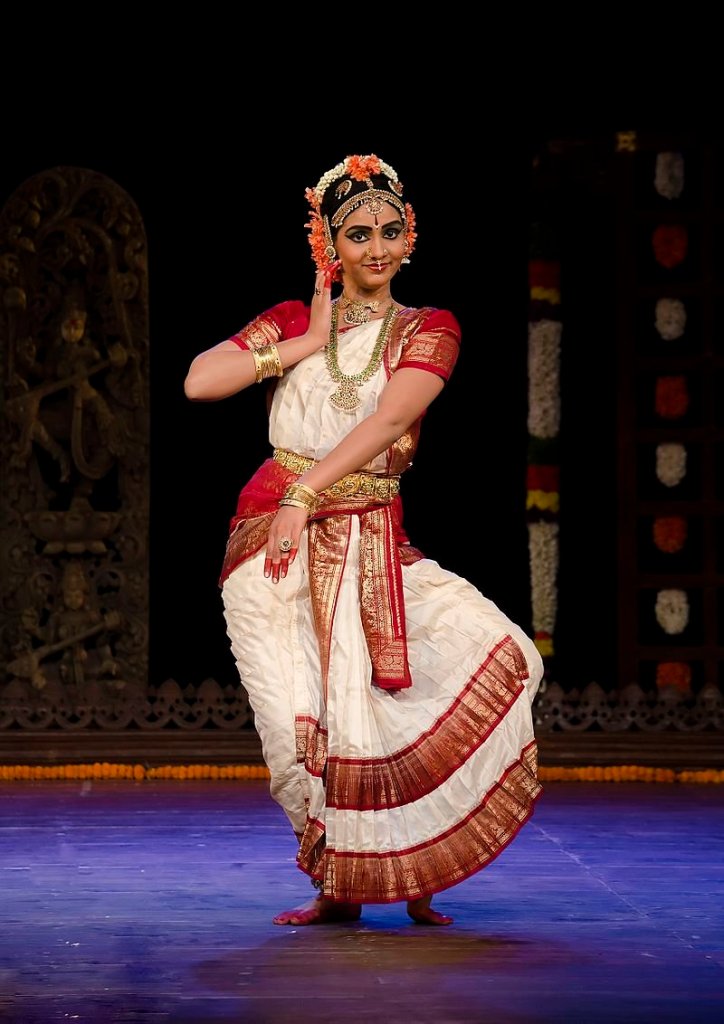
  • Kuchipudi, from Andhra Pradesh

Unlike the other styles mentioned, kuchipudi requires talent in both dancing and singing. This dance, from the state of Andhra Pradesh in southeastern India, is highly ritualized, with a formalized song-and-dance introduction, sprinkling of holy water, and burning of incense, along with invocations of goddesses. Traditionally the dance was performed by men, even the female roles, although now it is predominantly performed by women.

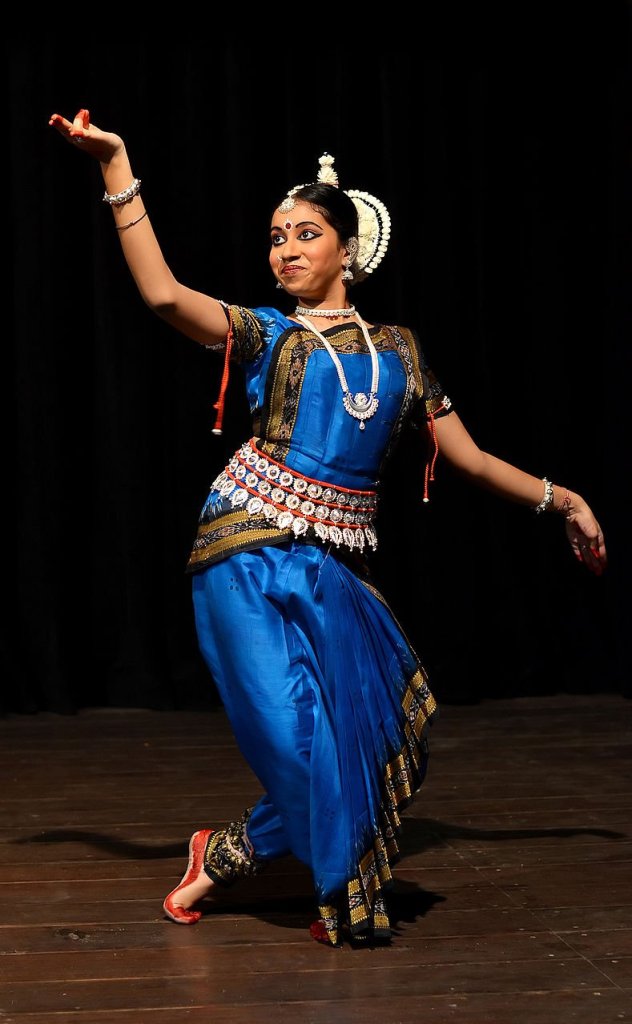
  • Odissi, from Odisha

Odissi is indigenous to Orissa in eastern India. It is predominantly a dance for women, with postures that replicate those found in temple sculptures. Based on archaeological findings, odissi is belived to be the oldest of the surviving Indian classical dances. Odissi is a very complex and expressive dance, with over fifty mudras (symbolic hand gestures) commonly used.

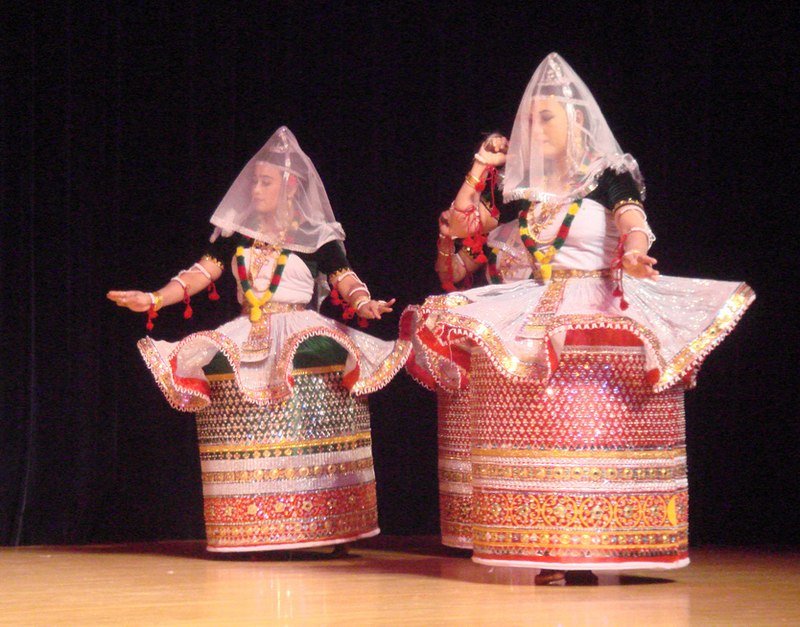
  • Manipuri, from Manipur

Manipuri comes from Manipur in northeastern India. It has its roots in that state’s folk traditions and rituals, and often depicts scenes from the life of the god Krishna. Unlike some of the other, more rhythmic dances, Manipuri is characterized by smooth and graceful movements. Female roles are especially fluid in the arms and hands, while male roles tend to have more forceful movements. The dance may be accompanied by narrative chanting and choral singing.

The Sangeet Natak Akademi and the Ministry of Culture recognize two more dance forms Mohiniyattam from Kerala and Sattriya from Assam.

Note:- Bharat muni had written ‘Natyashastra’ about 2500 years ago i.e. much earlier to any Mughal, Samudragupta, and Ashoka.

It proves that we were always a Nation bound by a common thread.

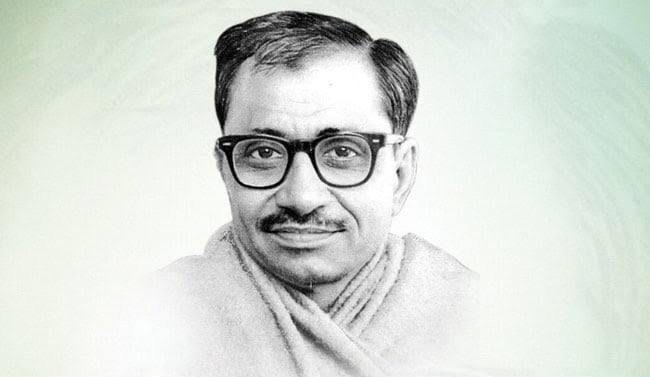
Let’s remember deendayal ji today!

Today Bhartiya Janta Party (BJP) is celebrating it’s 40th birth anniversary.

On this occasion, We remember here pt. Deendayal ji, the founder of BJP.

Today’s BJP karyakartas should not forget the ideals, which their party stand at.

These following words of deendayal ji are still practical in today’s time.

He decribes his thoughts in a letter written to his mamaji on July 21, 1942. These are as follows-

” God has blessed our family with some means. Can we not then offer at least one of our members for the service of the country ? Having provided me with education, moral instruction and all sorts of qualifications, can you not now turn me over to the Samaj-the Samaj to which we owe so much ? This will hardly be any kind of sacrifice, it will rather be an investment. It is like providing the farm of the Samaj with manure. We are now- a-days interested only in reaping the harvest and have forgotten to provide the field with manure. There is thus the danger of our land becoming barren and unproductive.Can we not forgo a few worthless ambitions for the protection and benefit of a Samaj and a faith for which Rama suffered exile ,Krishna bore innumerable hardships, Rana Pratap knocked about from forest to forest, Shivaji staked his all and Guru Govind Singh allowed his little sons to be buried alive ? Today, begging bowl in hand, the Samaj is seeking alms from us. If we continue to be indifferent to its demands a day may come when we will have to part with a great deal of what we most dearly love. “

You can read whole the letter. Link is attached.

Link

At last, Happy birthday BJP… Keep moving with greater pace.