
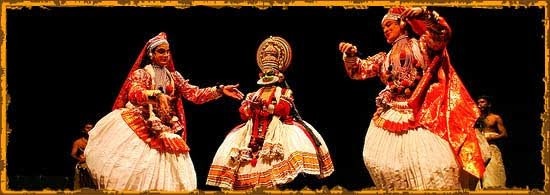
Dance is an important part of cultural tradition in India. People can be found dancing at festivals and weddings.
But where does Indian dance draw its roots from? It’s an interesting story which we can feel proud of. The origin of all the major dance forms in today’s time can be traced to many centuries back to Natyashastra of Bharat Muni.
The Nāṭya Śāstra is a Sanskrit text on the performing arts. The text is attributed to sage Bharata Muni, and its first complete compilation is dated to 500 BC (2500 yrs from today). The text consists of 36 chapters with a cumulative total of 6000 poetic verses describing performance arts
The Natyashastra is the oldest surviving ancient Indian work on performance arts. Here are six of the most important classical dance forms of India.
- Bharatanatyam, from Tamil Nadu
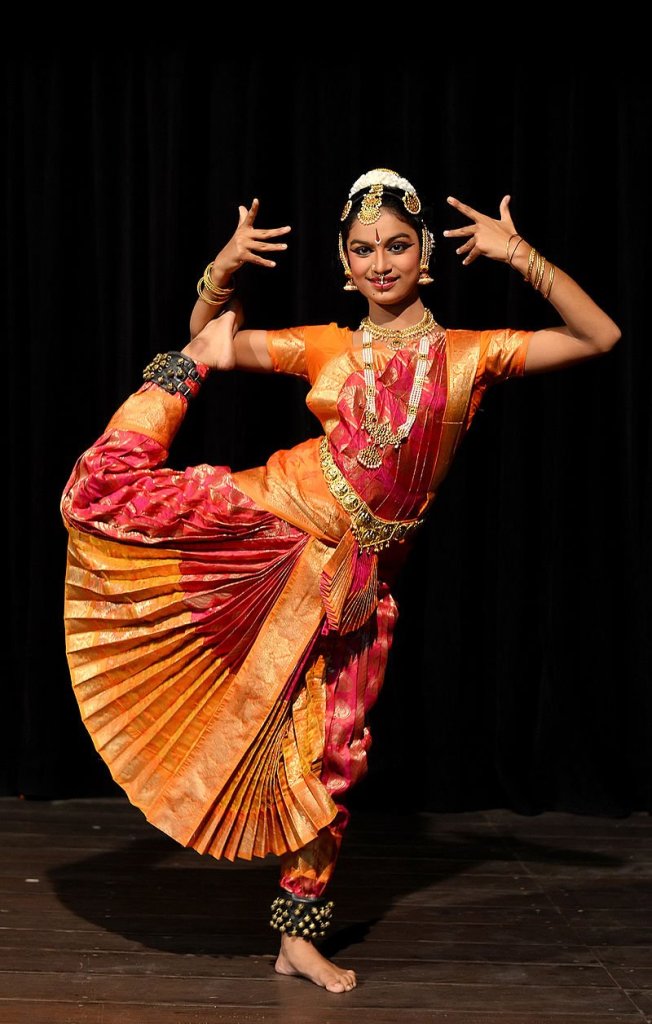
Bharatanatyam is a dance of Tamil Nadu in southern India. It traces its origins back to the Natyashastra, an ancient treatise on theatre written by the mythic priest Bharata. Originally a temple dance for women, bharatanatyam often is used to express Hindu religious stories and devotions. It was not commonly seen on the public stage until the 20th century. The dance movements are characterized by bent legs, while feet keep rhythm. Hands may be used in a series of mudras, or symbolic hand gestures, to tell a story.
- Kathak, from North India
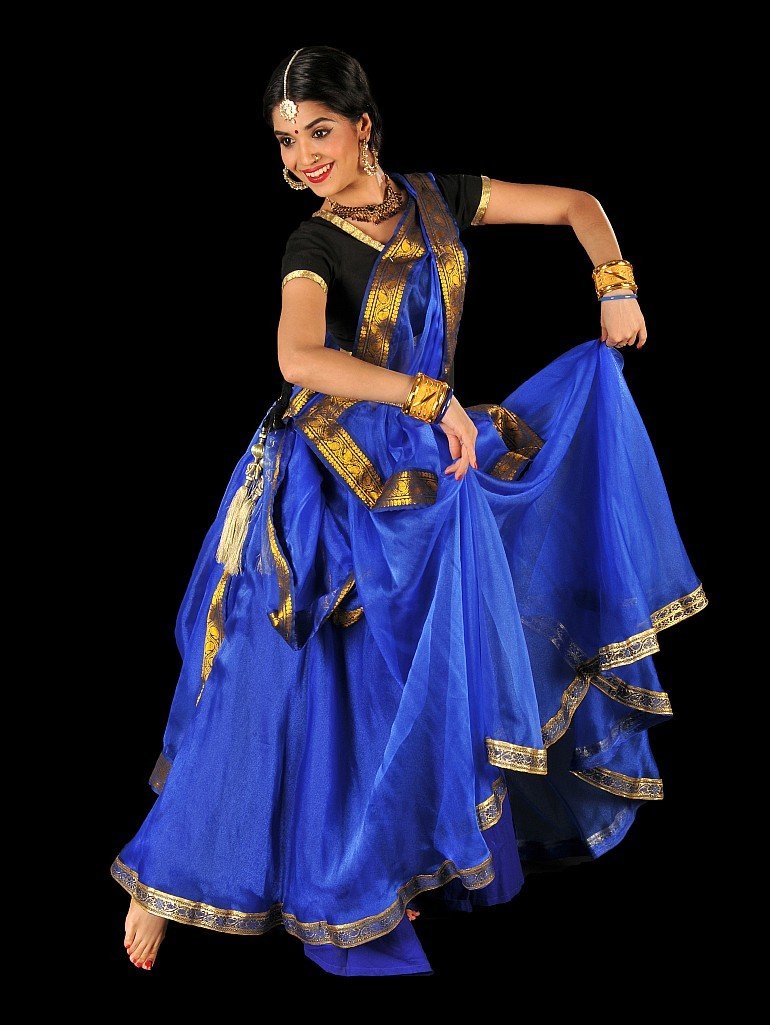
A dance of northern India, Kathak is often a dance of love. It is performed by both men and women. The movements include intricate footwork accented by bells worn around the ankles and stylized gestures adapted from normal body language. It was originated by Kathakas, professional storytellers who used a mixture of dance, song, and drama. Like other Indian dances it began as a temple dance, but soon moved into the courts of ruling houses.
- Kathakali, from Kerala
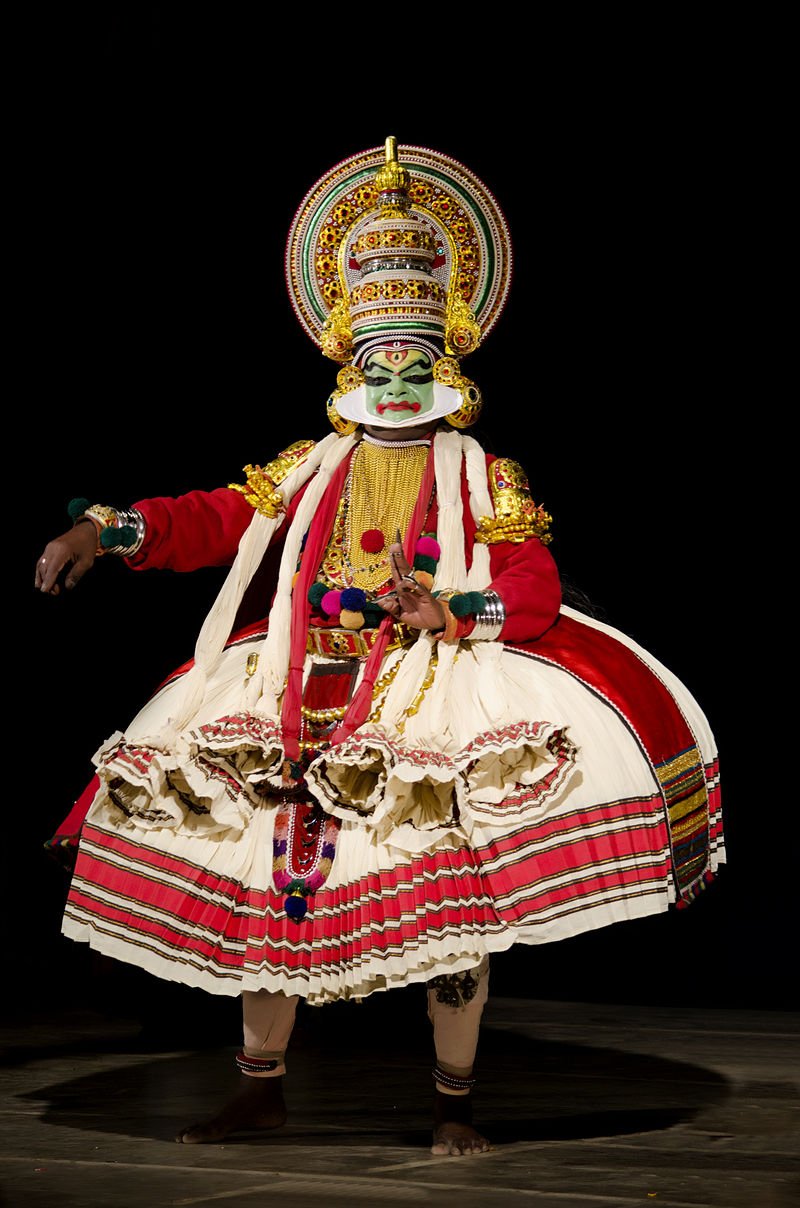
Kathakali comes from southwestern India, around the state of Kerala. Like bharatanatyam, kathakali is a religious dance. It draws inspiration from the Ramayana and stories from Shaiva traditions. Kathakali is traditionally performed by boys and men, even for female roles. The costumes and makeup are especially elaborate, with faces made to look like painted masks and enormous headdresses.
- Kuchipudi, from Andhra Pradesh
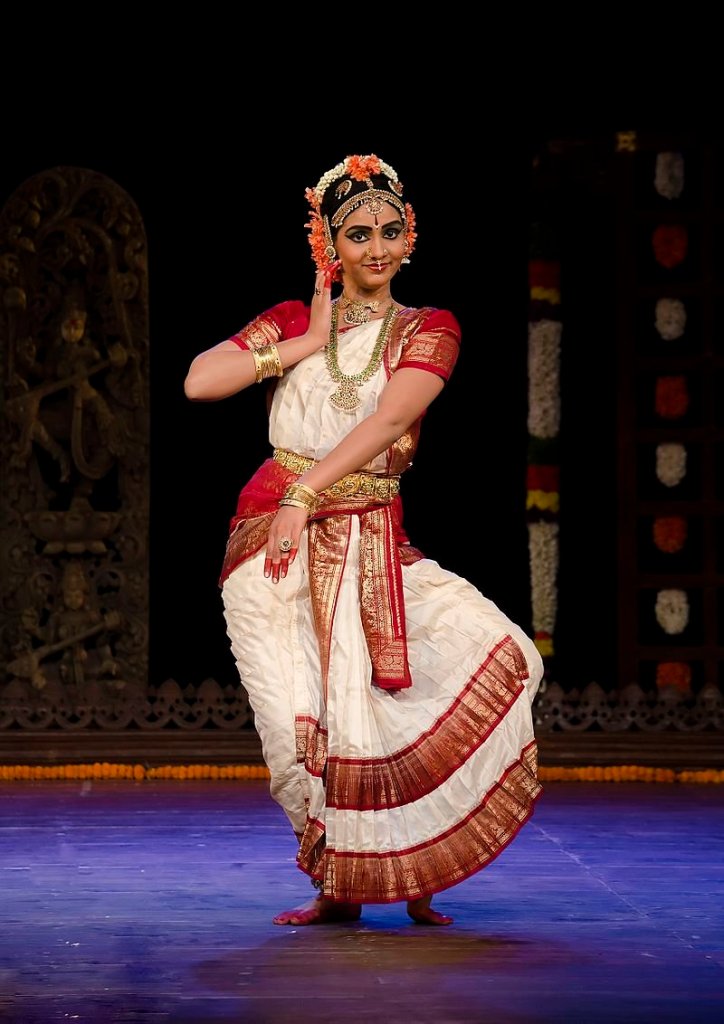
Unlike the other styles mentioned, kuchipudi requires talent in both dancing and singing. This dance, from the state of Andhra Pradesh in southeastern India, is highly ritualized, with a formalized song-and-dance introduction, sprinkling of holy water, and burning of incense, along with invocations of goddesses. Traditionally the dance was performed by men, even the female roles, although now it is predominantly performed by women.
- Odissi, from Odisha
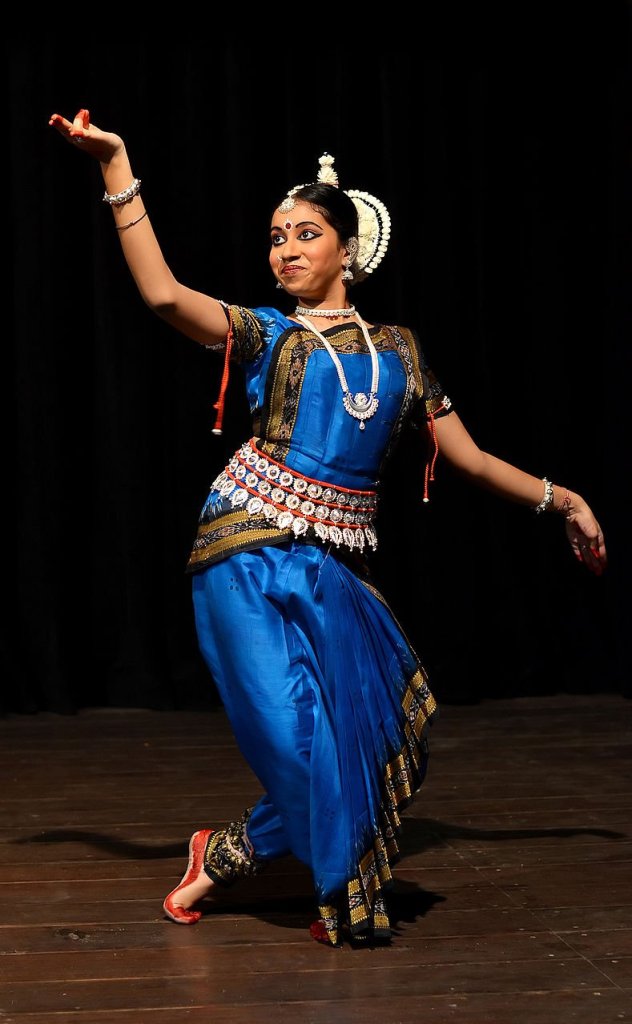
Odissi is indigenous to Orissa in eastern India. It is predominantly a dance for women, with postures that replicate those found in temple sculptures. Based on archaeological findings, odissi is belived to be the oldest of the surviving Indian classical dances. Odissi is a very complex and expressive dance, with over fifty mudras (symbolic hand gestures) commonly used.
- Manipuri, from Manipur
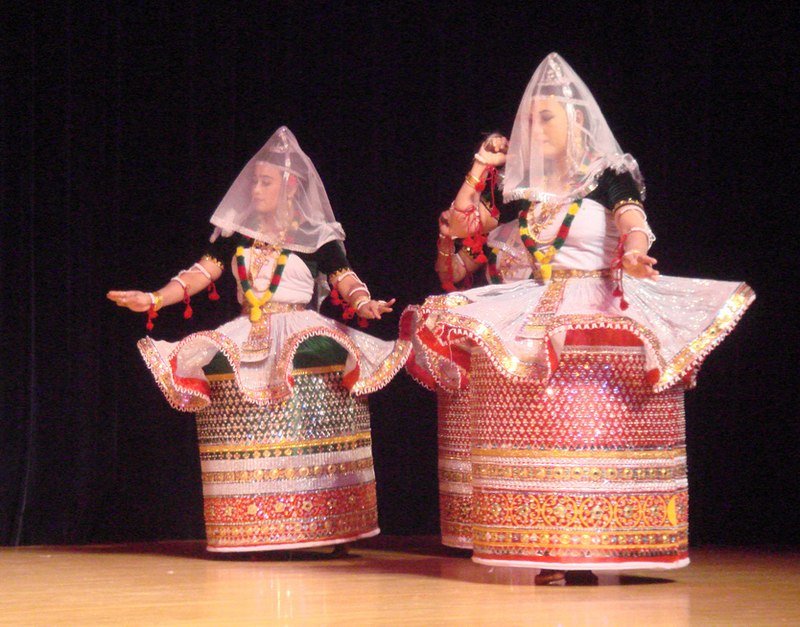
Manipuri comes from Manipur in northeastern India. It has its roots in that state’s folk traditions and rituals, and often depicts scenes from the life of the god Krishna. Unlike some of the other, more rhythmic dances, Manipuri is characterized by smooth and graceful movements. Female roles are especially fluid in the arms and hands, while male roles tend to have more forceful movements. The dance may be accompanied by narrative chanting and choral singing.
The Sangeet Natak Akademi and the Ministry of Culture recognize two more dance forms Mohiniyattam from Kerala and Sattriya from Assam.
Note:- Bharat muni had written ‘Natyashastra’ about 2500 years ago i.e. much earlier to any Mughal, Samudragupta, and Ashoka.
It proves that we were always a Nation bound by a common thread.
 The Bharat